Picking up the pieces: A conversation with collage artist Ray Orr
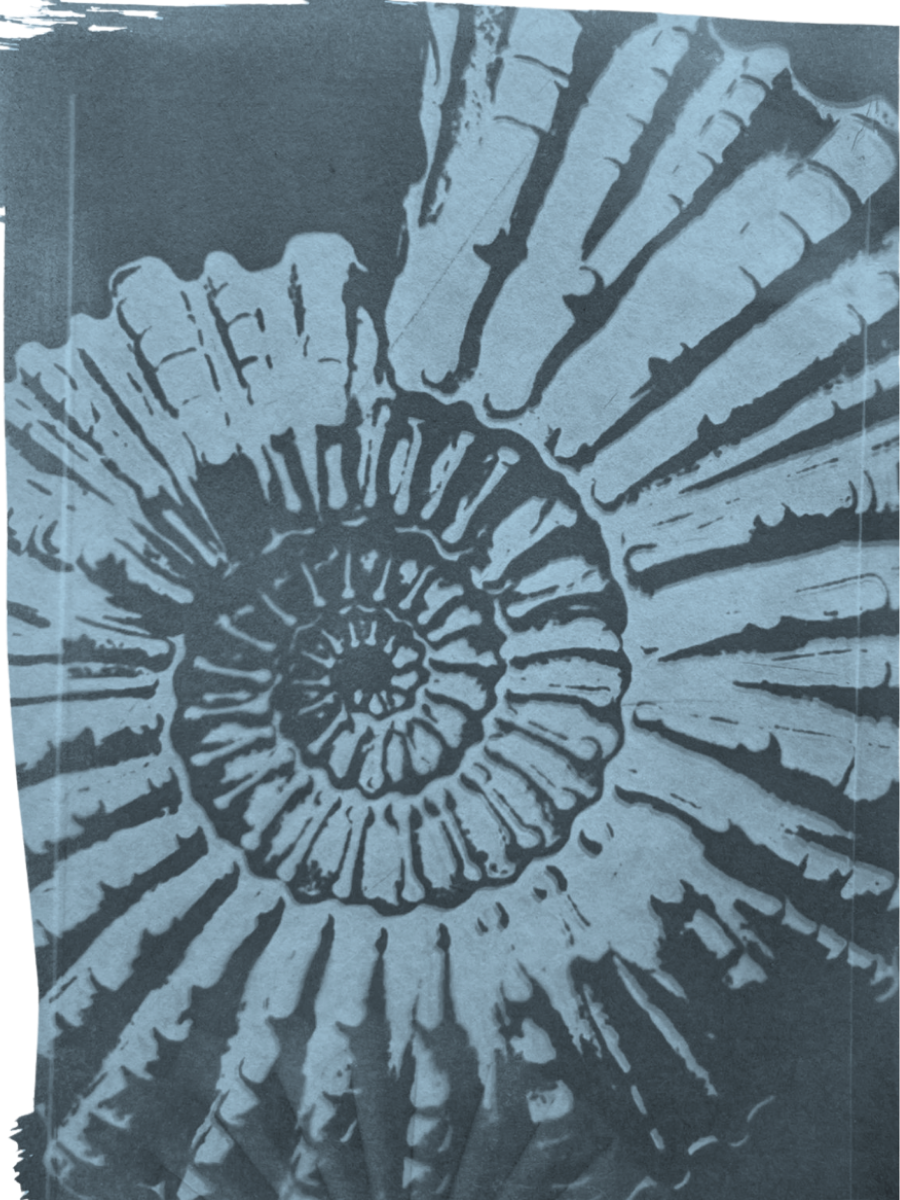
DC Steering Committee Member Leslie Tolf sat down with Ray Orr, a collage artist and the co-founder of Living Room, a neighborhood art space in Mount Pleasant, DC. She uses collage to explore transitions such as grief, rebirth, and the liminal spaces in between.
Leslie: How did you come to lead collage workshops?
Ray: I started collaging in 2019, when I began the “100-day project” and collaged for that period. I find collage to be the most accessible form of art, and I gave a talk about my process at the end of my 100 days.
A few years later, I lost seven people and animals in just over a year, and I was suddenly faced with the unexplainable. I couldn’t put it into words, but collaging was a way that I could connect with myself and them, while trying to keep them alive a bit longer.
L: What themes keep appearing in your work, and what do they tell you about your healing journey?
R: I would sum it up as work with transition and liminal spaces. Life is constant change, and collage helps me make sense of that. It could be my parents’ divorce, a work career pivot, or grieving a loved one who passed.
I also keep experimenting. I created a poetry zine with collages for a friend’s celebration of life, and it was the weirdest, most fulfilling collaboration to date.
L: For people who can’t come to the workshop, how might you suggest they do this at home?
R: The great thing about collage is how accessible it is. It doesn’t have to be a single medium; you might use photos of them or symbols, like their favorite flower. I also love working with handwritten notes from your loved one. I would compile all your paper ephemera and grab a couple of books from the thrift store. Sit down, light a candle, and dedicate some time to thinking about this person. Maybe even speaking to them out loud. Put music on that they like. Just welcome the journey you're on and see what unfolds.
L: How do you choose your materials, and do they have specific personal or symbolic meaning related to your loss?
R: I love thrifting for a variety of books and have curated a vast collection of titles on the natural world (like butterflies and plants), ancient civilizations, ornate jewelry, and art. I work mostly in paper, but I have a piece in an exhibit right now that features glass shards.
L: How does the process of tearing, cutting, or layering materials mirror your internal experience of grief?
R: For me, the experience of collaging can give me a sense of agency when I feel powerless. It’s already cathartic to rip and tear pages out of books, and then you get to pick and choose what comes together and what doesn’t. It was really healing for me when I was in the midst of what I called grief soup.
L: How has your work helped you move from a place of acute pain to a different understanding of your loss?
R: Grieving takes an undefined amount of time, and collaging allowed me to move through it in a meaningful way. It gave me something to physically do while moving through the feelings, which was really needed.
This article originally appeared in the March 2026 newsletter from The DC Death Collective.

